

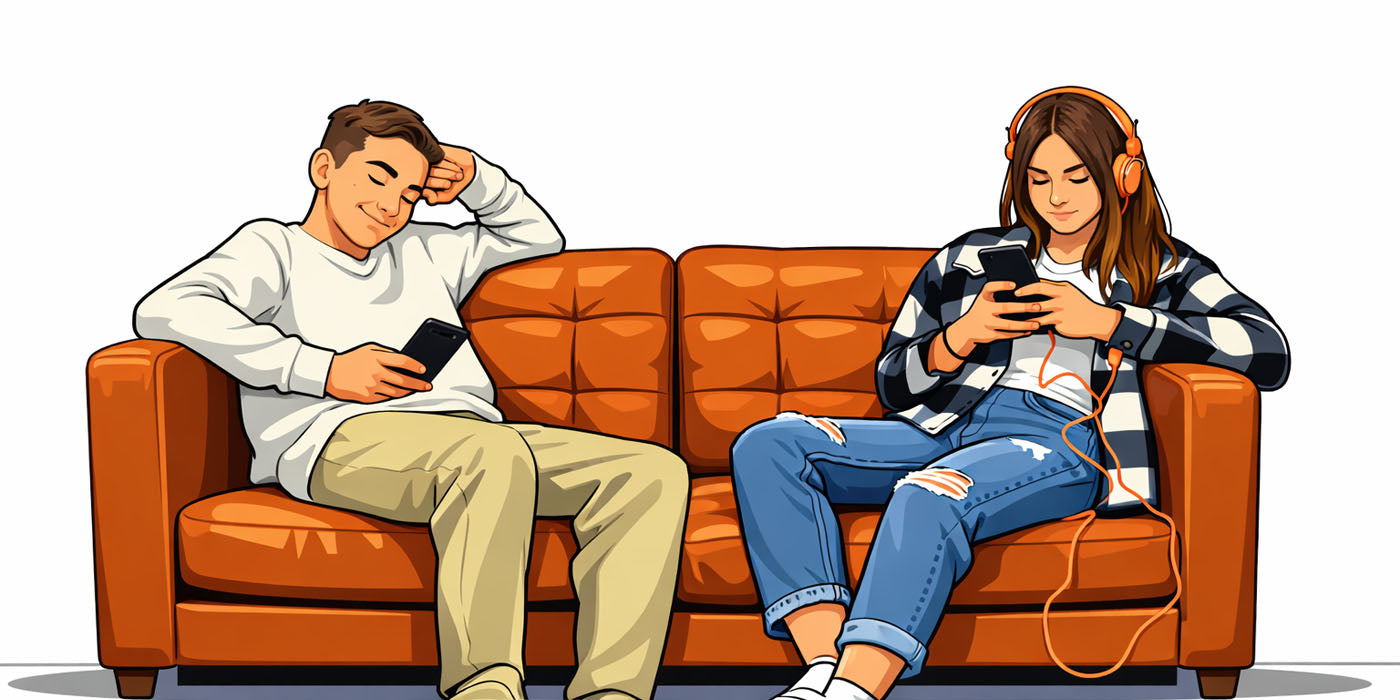
It's been a few weeks since Australia's social media ban kicked in on December 10, and things are getting real for teenagers across the country. If you haven't been paying close attention, here's what you need to know about what's actually off-limits now and what some kids are trying instead.
The Current Landscape: What’s Blocked?
The banned platforms include Facebook, Instagram, TikTok, Snapchat, X, YouTube, Reddit, Twitch, and Kick. If you're under 16, these are all supposed to be completely off the table now. Your account either got deactivated, paused, or is in the process of being deleted by the platform itself.
The transition has been varied: Meta is letting teens download their photos and messages before accounts close, while TikTok is sending reminder emails for users to log back in when they turn 16. YouTube is keeping content intact for future use. While it feels sudden, the platforms are actually being quite reasonable with data retrieval.
Strict Rules: No Loopholes for Parents
One of the biggest misconceptions is that parental consent can bypass the ban. The law is clear: your parents cannot sign off to let you stay on these platforms. You also can't easily create a new account with a fake birthdate; platforms are now using facial recognition, behavioral analysis, and ID verification to catch fake accounts.
What is still allowed? Messaging apps like WhatsApp and Discord are still okay to use, and email remains a primary tool. However, pretty much every account-based platform where you can interact with the public is now off-limits for under-16s, leading many to seek out VPNs or alternative platforms the government hasn't flagged yet.
Unintended Consequences and Real Costs
The reality is messier than it seemed on day one. While kids in Sydney might find alternative ways to stay connected, those in rural areas who depend on these platforms for social interaction are experiencing legitimate isolation. This is a real cost that wasn't fully planned for.
Furthermore, as social media access drops, screen time is shifting elsewhere. We are seeing a massive spike in mobile gaming and video streaming. This means devices—phones and tablets—are being used more intensely than ever before, leading to faster battery drain and increased physical wear and tear.
The Bottom Line
The ban is actually happening and it's mostly working, but it’s slower and more complicated than anyone predicted.
- Platforms are rolling out verification at different speeds, with Meta leading the charge.
- Teenagers are adapting by moving to messaging-only apps or stepping back from social media entirely.
- Hardware is taking a hit as kids swap scrolling for high-performance gaming and streaming.
Keep Your Family’s Tech in Peak Condition
With social media out of the picture, your family’s devices are likely being used more for high-drain activities like gaming and long-form video. This extra usage puts a strain on batteries and increases the risk of accidental drops during long sessions.
At iCell Mobile, we ensure those devices stay functional. Whether it’s a battery that can’t keep up with the new gaming habits or a screen that cracked during an intense session, we provide same-day repairs and premium protection to keep your family connected through this transition.
🚀 Protect and Repair Your Family’s Devices
Is your teen’s phone battery dying faster with their new habits? Or did a screen survive the ban but not a drop? We offer free device diagnosis to check your battery health and screen integrity. Get same-day repairs at our Lakemba location with full Australian warranty. Shop screen protectors or book a repair today.

